The Digital Twin Workout: How AI Is Personalizing Fitness Down to Your DNA in 2026
Stop guessing at the gym. Discover how 2026's AI fitness tools use "digital twinning" and real-time biometrics to create adaptive workouts that guarantee results and prevent injury.
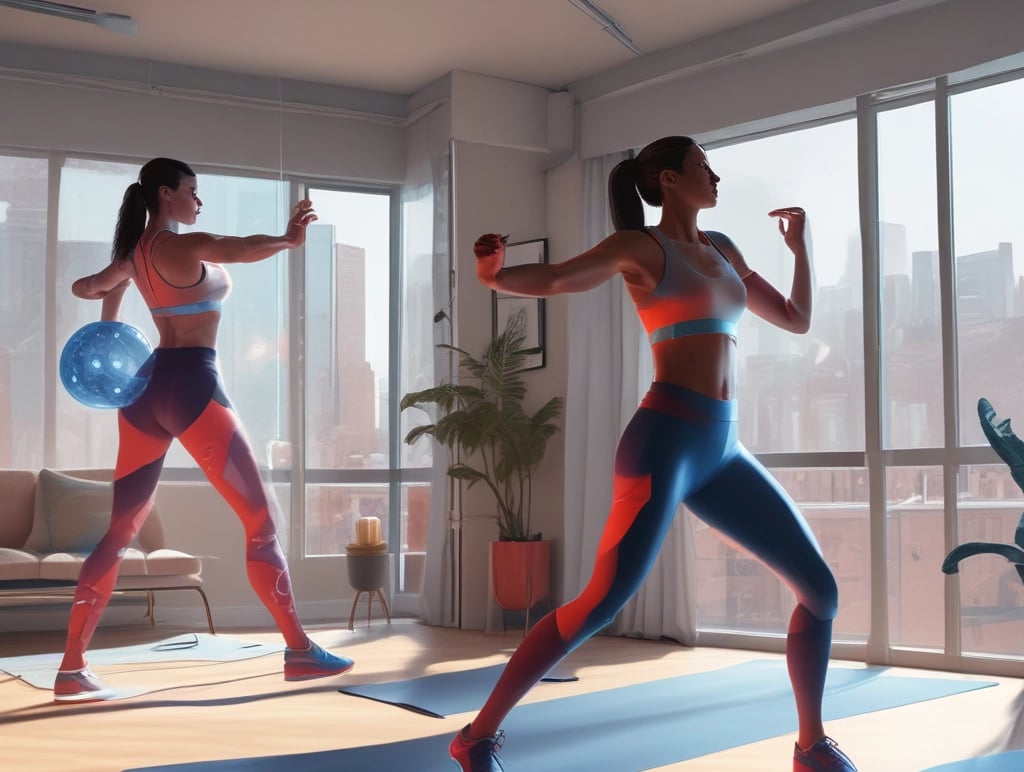
Stop guessing at the gym. Discover how 2026's AI fitness tools use "digital twinning" and real-time biometrics to create adaptive workouts that guarantee results and prevent injury.
Introduction
It’s 6:00 AM. Your alarm goes off, but instead of forcing you into a grueling cardio session you’re dreading, your fitness app suggests a 20-minute restorative yoga flow. Why? Because it knows you slept poorly, your Heart Rate Variability (HRV) is low, and your cortisol levels are spiking. In 2026, this isn't science fiction; it’s standard practice.
We have moved beyond the era of generic "12-week shred" PDFs and one-size-fits-all calorie counters. The fitness revolution of 2026 is defined by Hyper-Personalization. Artificial Intelligence now acts as a 24/7 physiologist, nutritionist, and coach wrapped into one. It doesn't just track what you did; it tells you exactly what you should do right now to maximize results while respecting your body’s current state.
In this article, we’ll dive into the top trends reshaping health, from "Digital Twinning" that predicts your future physique to AI-powered recovery protocols that treat rest as seriously as reps.
The Rise of "Digital Twinning" and Biometrics
The biggest buzzword in 2026 fitness isn't "CrossFit" or "Keto"—it's Digital Twinning.
Your Virtual Double
Originally a concept from manufacturing, Digital Twinning has hit the gym. High-end fitness platforms now create a virtual replica of your biomechanics. By analyzing video of your movement and data from your wearables, the AI builds a model of you. It simulates how your specific body will respond to a new training block before you even lift a weight. This allows for injury prevention on a massive scale—predicting that your left knee is at risk if you continue squatting with your current form, and suggesting corrective exercises instantly.
Real-Time Bio-Feedback
Wearables in 2026 have graduated from simple step counters. They now monitor advanced metrics like blood glucose (non-invasively), lactate thresholds, and stress loads in real-time. AI processes this flood of data to adjust your workout while you are doing it. If your heart rate spikes too high during a run, your AI coach whispers in your ear to slow your pace by exactly 5% to stay in the optimal aerobic zone.
Adaptive Training: The End of Fixed Plans
Static training plans are obsolete. The gym routine of 2026 is fluid, living, and Adaptive.
Dynamic Intensity Regulation
Apps like GetFit AI and FitAI Planner don't care about the schedule you wrote down on Monday. They care about your readiness today. If you crush a workout, the AI increases the weight for the next session automatically. If you miss a week due to illness, it doesn't shame you; it re-calculates your entire trajectory to ease you back in without burning out. This "autoregulation" ensures consistent progress without the plateaus common in static programs.
Celebrity Ghost Coaching
Want to train like a legend? New AI platforms allow you to interact with AI versions of elite athletes like Serena Williams or Cristiano Ronaldo. These aren't just pre-recorded videos; they are interactive chatbots trained on the athlete's philosophy. You can complain to "AI Arnold Schwarzenegger" that your calves are lagging, and he will roast you (motivationally) while updating your program with his specific techniques.
Recovery is the New PR
In 2026, "grind culture" has been replaced by "recovery culture," powered by data.
Smart Recovery Protocols
AI now prescribes rest with the same precision as exercise. After a heavy session, your app might generate a specific "cool-down" protocol involving percussive therapy (Theragun), guided breathwork, and a specific protein intake recommendation based on the muscle damage calculated from your workout intensity.
Sleep Engineering
Your fitness AI talks to your smart home. If your recovery scores are low, it might instruct your smart thermostat to lower the bedroom temperature to 65°F (18°C) and program your smart lights to fade out earlier, forcing a better night's sleep to boost your growth hormone production.
FAQ Section
Q: Will AI replace human personal trainers?
A: Not entirely. While AI excels at data analysis and programming, it lacks the empathy and hands-on correction of a human. The trend in 2026 is "hybrid coaching," where human trainers use AI tools to manage more clients with better data.
Q: Is "Digital Twinning" expensive?
A: Currently, full 3D digital twinning is a premium feature found in high-end health clubs and specialized clinics. However, simplified versions using just your smartphone camera are becoming standard in many mid-tier apps.
Q: Can AI help with my diet too?
A: Absolutely. The leading fitness apps of 2026 are fully integrated with nutrition AI. They don't just count calories; they suggest meal adjustments based on your daily energy expenditure. Burned 500 extra calories? The app adds a post-workout smoothie recipe to your shopping list instantly.
Conclusion
Getting in shape in 2026 is less about willpower and more about intelligence. By leveraging Digital Twinning, Adaptive Algorithms, and Smart Recovery, we are finally training with our bodies rather than against them.
The era of "no pain, no gain" is over. The new mantra is "more data, less strain." Whether you are an elite athlete using AI to shave milliseconds off your sprint, or a parent just trying to stay healthy, AI provides the personalized roadmap to get you there safely and efficiently.