The Rise of AI Influencers, Actors and Virtual Humans — A New Type of Celebrity?
Explore the rise of AI influencers, virtual actors, and digital humans. Discover how synthetic celebrities are reshaping culture, marketing, and our concept of fame.
Explore the rise of AI influencers, virtual actors, and digital humans. Discover how synthetic celebrities are reshaping culture, marketing, and our concept of fame.
Introduction
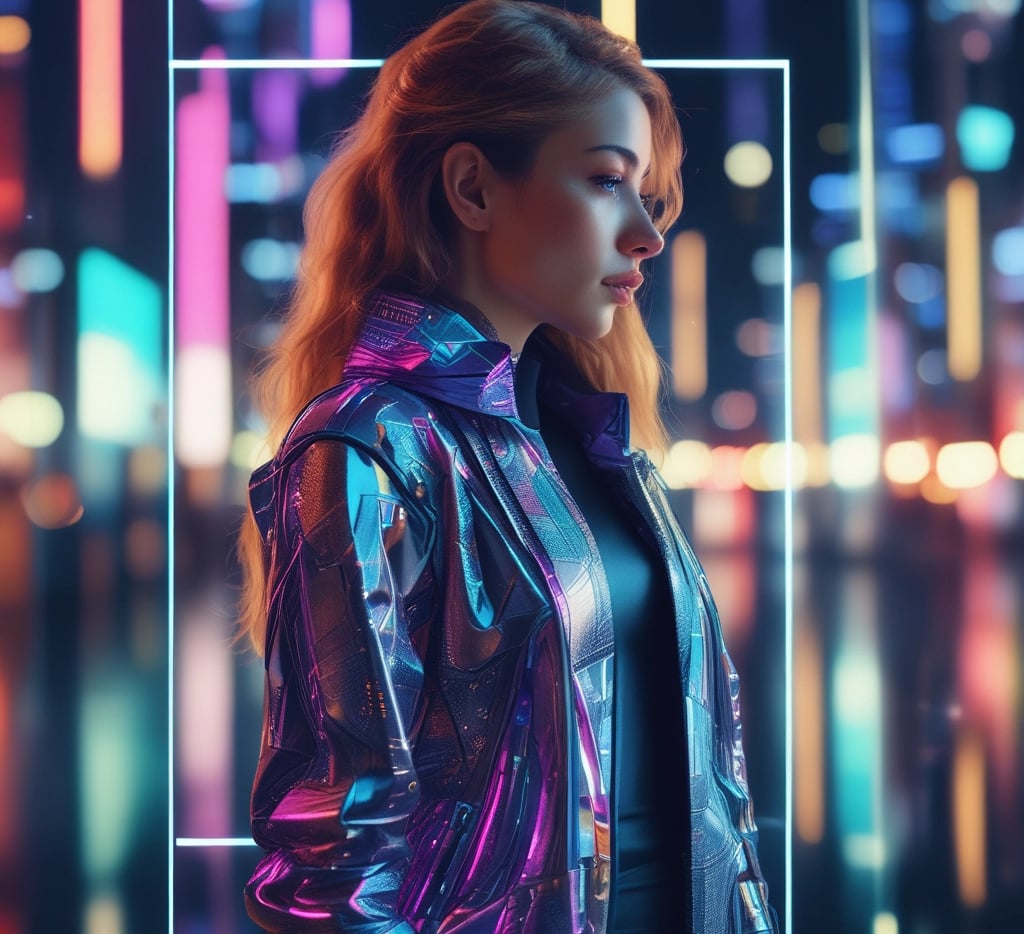
Scroll through Instagram or TikTok today, and you might spot a stylish 19-year-old model posing in Paris, promoting a luxury handbag. She has perfect skin, a witty caption, and 3 million followers. But she isn't real. She is a CGI creation, powered by AI, and managed by a tech agency that never sleeps.
This is the new frontier of fame: virtual influencers. Alongside them are "synthetic actors"—AI-generated clones of real stars licensed to appear in thousands of personalized ads simultaneously. These digital beings are not just novelties; they are a rapidly growing multi-billion dollar industry that challenges our fundamental understanding of celebrity.
In this article, we will peel back the pixelated curtain to see how these virtual humans are created, why brands love them, and the profound ethical questions they raise about beauty standards, truth, and the future of human connection.
Meet the Virtual Influencers
Virtual influencers like Lil Miquela, Shudu, and Imma are the pioneers of this movement. They have backstories, personalities, and dramatic "lives" scripted by writers. Lil Miquela, for example, has released pop songs, starred in Calvin Klein ads, and even had a public "breakup"—all while being entirely code.
Unlike traditional cartoon mascots, these avatars are designed to be hyper-realistic and culturally relevant. They take selfies, express opinions on social justice, and interact with fans in real-time comments. Brands flock to them because they offer total control: a virtual influencer never gets tired, never ages, never has a scandalous drunk driving arrest, and can be in Tokyo and New York at the exact same moment.
By 2025, this market is projected to explode, with AI allowing these avatars to move from scripted posts to autonomous, real-time video conversations with fans.
Synthetic Actors and the "Digital Twin" Economy
While virtual influencers are born digital, real celebrities are increasingly becoming digital. Technologies like deepfakes and voice cloning allow stars to license their "digital twin" for commercial work.
Soccer legend David Beckham appeared in a malaria awareness campaign speaking nine different languages fluently—a feat impossible without AI. Platforms now allow lesser-known actors to sell their likeness rights, so their digital face can appear in background roles in movies or corporate training videos forever.
This "passive income from existence" sounds lucrative, but it risks turning actors into mere data points. If a studio owns your digital face, do they need you anymore? The 2023 Hollywood strikes highlighted this existential fear: that AI "zombies" could replace living, breathing background actors entirely.
The Appeal (and Danger) of Perfection
Why do millions follow fake people? Part of it is curiosity, but part is the allure of the "uncanny perfection." Virtual humans offer a safe, curated fantasy world free from the messy, disappointing reality of human life.
However, this perfection is toxic. Social media already pressures young people to look flawless; now they are comparing themselves to entities that literally have no pores, body fat, or bad days. Critics warn that virtual influencers perpetuate impossible beauty standards even more aggressively than Photoshop ever did, because the "person" achieving this look doesn't even exist.
When Is a Human "Real"? Authenticity in the AI Age
The rise of synthetic media forces us to redefine "authenticity." We used to trust photos as proof of reality. Now, a photo is just a creative suggestion.
Interestingly, studies suggest that Gen Z audiences often don't mind if an influencer is fake—as long as the story feels true or entertaining. They treat virtual influencers like pro wrestlers: everyone knows it's scripted, but the emotion and fandom are real.
However, the danger lies in deception. Without clear labels (like "watermarks" for AI content), users can be tricked into believing a synthetic avatar's political endorsement or health advice is coming from a real human experience. This "trust erosion" is a major societal risk as the technology becomes indistinguishable from reality.
FAQ
1. Who creates virtual influencers?
They are usually created by tech startups, creative agencies, or sometimes individual 3D artists. They are managed like a band or a brand.
2. Do virtual influencers make money?
Yes, millions. They earn money through brand sponsorships, modeling contracts, merchandise, and music royalties, just like human influencers.
3. Are they considered "deceptive"?
They can be if not disclosed. Many countries are introducing laws requiring AI-generated influencers to clearly label themselves to avoid misleading consumers.
4. Can a virtual influencer get "cancelled"?
Yes. If their creators script them to say something offensive, the backlash is real. However, unlike humans, they can simply be "rebooted" or rebranded easily.
5. What is a "Digital Twin"?
A digital replica of a real person (actor or celebrity) created using AI scans, which can be used to perform in videos or ads without the real person being present.
6. Why do brands prefer AI influencers?
They are "brand safe" (no scandals), available 24/7, cost-effective in the long run, and offer total creative control over the message.
7. How realistic will they get?
By 2025-2030, experts predict they will be indistinguishable from humans in video, capable of real-time emotional interaction and voice conversation.
8. Is this bad for human actors?
It creates competition, especially for voice-over and background acting jobs. It forces human actors to compete with "perfect," tireless, cheaper digital rivals.
9. What is the "Uncanny Valley"?
The feeling of unease humans get when a robot or avatar looks almost human but not quite right. Modern AI is rapidly crossing this valley.
10. Can I make my own AI influencer?
Yes. Tools are becoming available that allow individuals to create and manage their own photorealistic avatars, democratizing synthetic fame.
Conclusion
The era of the "Synthetic Celebrity" is not coming; it is here. These digital beings are reshaping the economy of attention, offering a limitless, scalable, and curated version of humanity.
While they offer exciting new forms of storytelling and creativity, they also act as a funhouse mirror—reflecting our obsessions with image, youth, and consumption back at us in high resolution. As we scroll past the next perfect face on our feed, the most important question to ask isn't "Is she real?" but rather, "Does it matter?"